Personalized Memory Care Solutions for Elderly Individuals
Purpose-built senior cognitive support programs for seniors are proving more vital in tackling individual cognitive challenges. These services emphasize personalized care plans that acknowledge distinct histories and inclinations. By fostering engagement through customized activities, they aim to improve holistic life experience. Comprehending the key aspects of these services can assist families in choosing appropriately. What elements should be considered when finding the right memory care service?
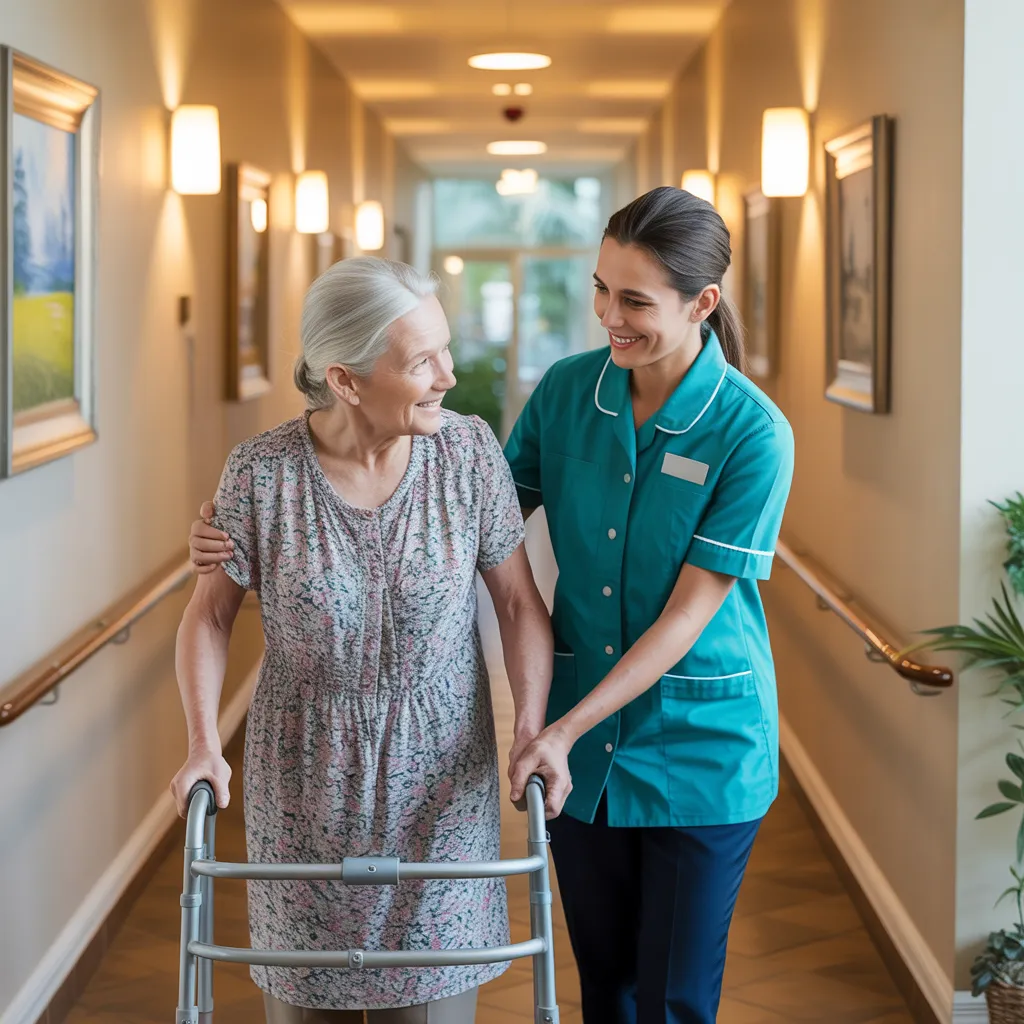
What You Need to Know About Tailored Memory Care Services
When considering memory care services, it is important to grasp how personalized approaches can substantially enhance the standard of living for older adults experiencing mental decline. Personalized memory care solutions are developed to fulfill the unique needs of each individual, recognizing that cognitive decline affects individuals in distinct ways. These services frequently incorporate personalized activities and schedules that align with a senior's preferences, capabilities, and preferences, thereby fostering engagement and a meaning.
Additionally, staff trained in specialized memory care techniques can provide support that respects the dignity and autonomy of each resident. This personalized care helps in reducing distress and worry, which are common in those with memory impairments. Furthermore, loved ones' participation is encouraged, ensuring a comprehensive strategy to care. Ultimately, tailored memory care services aim to create an environment where seniors can flourish, promoting both emotional well-being and cognitive engagement.
Positive Outcomes of Personalized Health Plans for Memory Difficulties
Personalized care plans play a significant role in tackling the distinct memory challenges experienced by seniors. These customized approaches are designed to meet personal requirements, making certain that care corresponds to the particular cognitive and emotional requirements of each senior. By focusing on personal histories, preferences, and abilities, such plans foster a sense of familiarity and comfort, which can alleviate worry often linked to memory loss.
Moreover, bespoke treatment strategies enhance participation by including programs that align with the seniors' preferences, promoting mental stimulation and social connection. This individualized method can produce improved mental performance and a better standard of living. Additionally, support staff equipped with thorough understanding of the senior's choices can offer more caring and effective care, reducing feelings of frustration for all parties. Ultimately, tailored care plans empower seniors, allowing them to address their memory issues with dignity and self-assurance.
Best Strategies for Individualized Memory Care Plans
Promoting best practices for tailored memory care programs requires a broad understanding of each senior's unique needs and preferences. Care providers should prioritize in-depth assessments that explore cognitive abilities, physical well-being, and emotional well-being. This primary understanding enables the design of personalized care plans that effectively address concrete obstacles.
Frequent staff training is necessary, making sure caregivers are equipped with the current techniques in memory care. Cooperation with families fosters a supportive setting, enabling caregivers to incorporate personal histories and preferences into regular activities. Utilizing digital resources, such as alert systems and communication tools, can enhance security and participation.
Moreover, flexibility in care plans is crucial; adjustments should be made as seniors' conditions change. Regular assessment of care effectiveness through feedback and monitoring guarantees continuous enhancement. By adhering to these proven strategies, memory care programs can provide a supportive and attentive environment that fosters dignity and well-being for seniors.
Activities That Boost Life Quality in Memory Care
Personalized memory care programs not only concentrate on personalized treatment strategies but also stress the importance of engaging activities that improve the standard of living for seniors. These programs are created to activate cognitive function while encouraging social interaction and mental health. Creative art sessions, music sessions, and horticultural activities can provide artistic opportunities, allowing residents to express themselves and engage with their environment.
Structured reminiscence therapy prompts seniors to reflect on memories, strengthening a sense of self-worth and meaning. Physical activities, such as gentle exercises or dance, help preserve mobility and improve emotional state. Additionally, sensory activities—like cooking or pet therapy—can trigger pleasant feelings and improve sensory awareness.
Finding the Optimal Memory Care Service for Your Family Group
How can loved ones' relatives ensure they select the most appropriate memory care service for their family members? The choice begins with thorough investigation. Relatives should evaluate the particular requirements of their family members, considering factors such as the type and level of memory impairment. Visiting potential facilities enables relatives to examine the environment, staff interaction, and accessible resources.
Staff qualifications and accreditation are vital signs of excellence. Families should ask regarding caregiver-to-patient ratios and training given to caregivers. Additionally, it is important to assess the range of activities and therapies offered, as these can greatly impact residents' well-being.
Finally, parents should look for feedback and recommendations from fellow parents to gather direct insights. By balancing individual requirements with expert guidance, families can take educated decisions that guarantee their loved ones receive the compassionate and tailored care they warrant.
Often Raised Questions About Our Services
What's the Best Way to Assess My Family Member's Distinct Cognitive Care Demands?
To determine specific cognitive support needs, one should observe shifts in behavior, communication skills, performance in daily activities, and emotional well-being. Consulting healthcare professionals for evaluations and gathering feedback from care providers can further clarify those requirements.
What Skills Must Be Present for Caregivers in Memory Care Facilities?
Employees in residential care facilities should obtain suitable certifications, dementia-specific training, proficient communication skills, kindness, and knowledge. Furthermore, they should demonstrate patience and adaptability to successfully provide services meeting the diverse requirements of residents.
Do Insurance Plans Cover Tailored Memory Care Services?
Insurance for tailored memory care services differs greatly among providers. Many plans may partially cover costs, but it's background information essential for individuals to ascertain specifics with their insurance company to determine their benefits and limitations.
How Regularly Should Treatment Plans Reviewed and Modified?
Care plans are consistently reviewed and adjusted, often quarterly or biannually. This guarantees that the evolving requirements of individuals are effectively met, enabling adjustments in treatment methods and support approaches as necessary.
What Ought to I Search for During a Premises Tour?
Throughout a facility tour, one should observe neatness, staff interactions, resident engagement, safety measures, available amenities, and overall atmosphere. Additionally, scrutinizing the facility's approach to one-on-one care and community partnerships is essential for informed decision-making.